
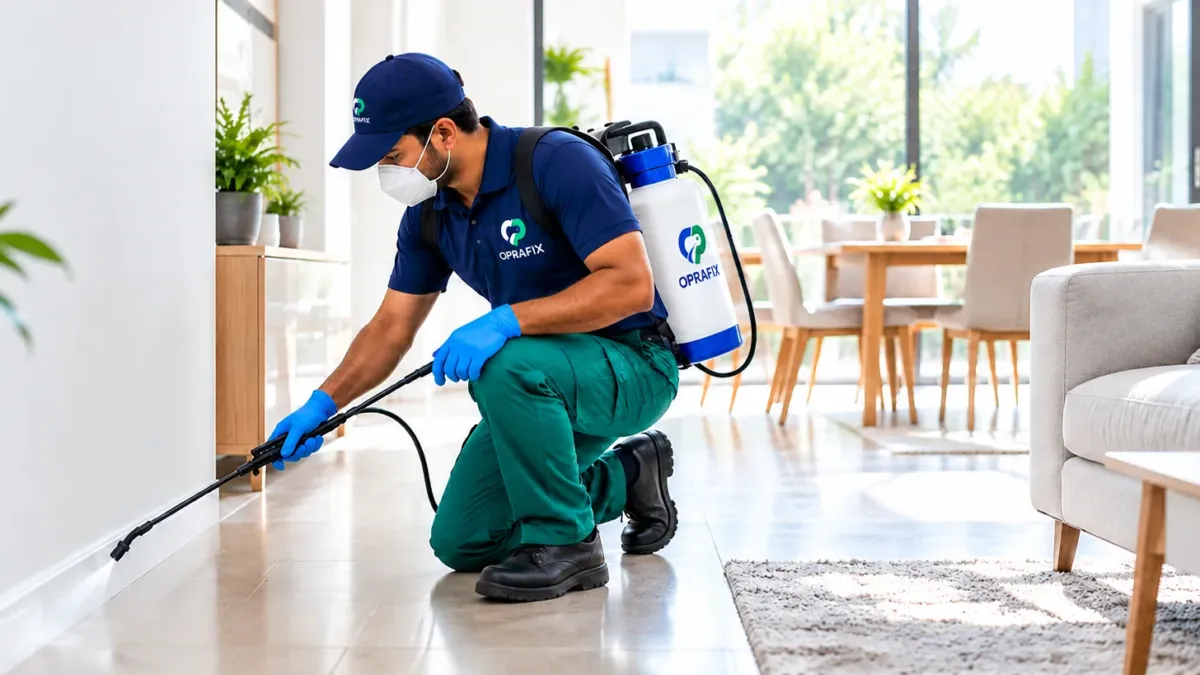
Few things unsettle a household faster than finding cockroaches in the kitchen at night, droppings behind a cupboard or mud tubes running up a wall. Delhi NCR’s mix of long hot summers, a humid monsoon and dense housing gives common pests plenty of food, water and shelter. Whether you live in an independent house in Delhi, a high-rise in Gurugram or Noida, or a builder floor in Faridabad, knowing how professional pest control services in Delhi NCR work will help you act early and choose the right help.
This guide explains when to call a professional, what a good residential pest control visit looks like, the questions worth asking before you book, and how to keep pests from coming back.
Why pest problems are so common in Delhi NCR
Pests are not a sign of a dirty home. They follow the conditions they need, and the region provides many of them:
- Heat and humidity. Cockroaches, ants and many other insects become more active in warm weather, and the monsoon adds moisture that helps them breed.
- Shared walls and ducts. In apartments and builder floors, pests travel between homes through plumbing shafts, electrical conduits and gaps around pipes.
- Standing water. Coolers, flower pots, water tanks and blocked drains can become mosquito breeding spots, especially during and after the rains.
- Older wooden fittings. Door frames, furniture and cupboards can attract termites, particularly where there is dampness in walls.
Because so many causes are outside a single flat, prevention works best when combined with treatment, and when neighbours or the residents’ welfare association take part as well.
Signs you need residential pest control
A single insect is not always a reason to book a service. Consider professional residential pest control when you notice:
- Cockroaches seen during the day, which often suggests a larger hidden population
- Droppings, gnaw marks or shredded paper near stored food or wiring
- Thin mud tubes on walls, hollow-sounding wood or small piles of powder near furniture
- Trails of ants returning to the same place even after cleaning
- Bed bug bites in a pattern, small dark spots on mattress seams or a musty smell
- Mosquitoes indoors every evening despite screens and repellents
If you see any of these, note where and when you saw them. That information helps a technician find the source quickly.
How a professional pest control service works
Approaches differ by pest and property, but a careful service usually follows the same basic steps.
1. Understanding the problem
A good provider asks questions before quoting: which pests you have seen, where, for how long, the size and type of your property, and whether there are children, elderly family members, pets or anyone with allergies at home. Expect to be asked for photos or a short description on WhatsApp so the right treatment can be planned.
2. Inspection
The technician checks likely hiding and entry points such as kitchen cabinets, sink cut-outs, drains, wardrobes, false ceilings, balconies and gaps around pipes. For termites, they look at wooden frames, skirting and walls that show dampness.
3. Treatment suited to the pest
Different pests need different methods. Cockroaches and ants are often handled with targeted gel or bait placed where they feed, while other pests may need spraying, dusting or a specific termite or bed bug treatment. The right product and method depend on the pest, the surface and the people living in the home.
4. Advice and follow-up
After treatment you should receive clear instructions: how long to keep rooms closed, when to clean treated areas, what not to wipe away and when to expect results. Some pests, especially bed bugs and termites, may need more than one visit.
Questions to ask before you book
Asking the right questions protects your family and helps you compare providers fairly:
- Which pest does the treatment cover, and which areas of the home will be treated?
- What products or methods will be used, and what precautions should we take with children, pets and food?
- How long should we stay out of the treated rooms, if at all?
- Is a follow-up visit included, recommended or charged separately?
- Who do we contact if the problem continues?
- What is the total cost, and is anything excluded?
A trustworthy provider will answer clearly and will not pressure you into treatments you do not need.
Seeing pests at home?
Send Oprafix a message with the pest you have noticed, your locality and property type. The team will discuss your requirement and help you plan the next step.
How to prepare your home for a pest control visit
A little preparation makes treatment more effective:
- Store food, utensils and toothbrushes in closed containers or cupboards that will not be treated.
- Clear the space under the kitchen sink and empty the cabinets the technician needs to reach.
- Move furniture slightly away from walls where possible.
- Keep pets, aquariums and bird cages away from the treatment area, or ask the technician how to protect them.
- For bed bugs, follow the provider’s instructions on washing bedding and clearing clutter before the visit.
After the treatment: keeping pests away
Treatment works best when the conditions that attracted pests are removed. After the visit:
- Fix leaking taps and pipes, and keep sinks and bathroom floors dry at night.
- Seal gaps around pipes, cable entries and door frames.
- Take garbage out daily and keep bins closed.
- Avoid leaving pet food or dirty dishes out overnight.
- Empty and clean coolers, trays and plant saucers regularly, especially during the monsoon.
Regular deep cleaning also removes the grease and crumbs that cockroaches and ants feed on. Our guide to home deep cleaning services in Delhi NCR explains what a thorough clean should cover, and our guide to common household pests explains how to recognise each one.
Frequently asked questions
How often should a home in Delhi NCR get pest control?
It depends on the pest, the building and how severe the problem is. Many households book a service when they see signs of activity and before the monsoon, when pests usually become more active. Ask your provider to recommend a schedule based on what they find during inspection.
Is pest control safe for children and pets?
Safety depends on the products used and on following the instructions given. Always tell the provider about children, pets and anyone with health conditions, and ask what precautions to take before, during and after treatment.
Do I need to leave home during treatment?
Not always. Gel and bait treatments for cockroaches and ants usually need minimal disruption, while some spray treatments may require you to stay out of a room for a few hours. Your technician should tell you in advance.
Can a single visit remove termites or bed bugs?
These pests are often harder to control and may need more than one visit and some changes at home. A provider should explain what to expect rather than promising instant results.
Conclusion
Effective pest control starts with noticing the signs early, choosing a provider who explains the treatment clearly, and following simple prevention habits afterwards. If you are in Delhi, Faridabad, Gurugram, Noida or elsewhere in Delhi NCR, you can learn more about our pest control services, or contact Oprafix by phone or WhatsApp to discuss your home and the pest problem you are facing.